Pedestrian Safety Awareness: Building Safer Streets Through Education, Design, and Shared Responsibility
Introduction
Pedestrian safety awareness has become increasingly critical as urban areas grow denser and traffic patterns more complex. Faster vehicles, distracted driving, and inconsistent infrastructure have contributed to a rise in pedestrian-related incidents worldwide. For communities, policymakers, and everyday road users, understanding the factors that influence pedestrian safety is no longer optional—it is essential. This article explores how education, thoughtful street design, and shared responsibility work together to create safer environments where pedestrians and vehicles can coexist with reduced risk.
The Role of Education in Pedestrian Safety Awareness
Education is the foundation of effective pedestrian safety awareness. When both pedestrians and drivers understand traffic rules and human behavior, the likelihood of accidents decreases significantly. Public education campaigns help clarify expectations on the road and encourage safer decision-making.
Key educational focus areas include:
- Understanding right-of-way rules and proper crosswalk use
- Improving pedestrian visibility, especially at night or in poor weather
- Preventing distractions such as mobile phone use while walking or driving
Traffic safety studies from global organizations, including the World Health Organization, consistently show that informed road users are more likely to follow safety practices. Educational programs in schools, workplaces, and communities reinforce these habits early and help normalize caution and awareness as part of daily travel.
Street Design and Infrastructure That Protect Pedestrians
Street design plays a decisive role in shaping pedestrian behavior and overall safety. Roads designed solely for vehicle efficiency often overlook the needs of people on foot, increasing the potential for conflict. Urban planning that prioritizes pedestrian movement can dramatically reduce accidents and injuries.
Effective pedestrian-focused infrastructure includes:
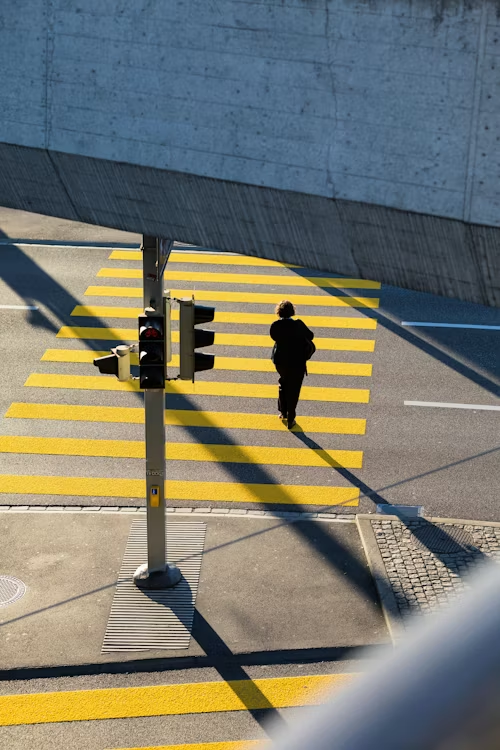
- Highly visible and well-marked crosswalks
- Traffic calming measures such as speed bumps and curb extensions
- Adequate lighting to enhance visibility after dark
- Continuous sidewalks and clear signage
Research from transportation authorities shows that streets designed with pedestrians in mind naturally slow traffic and reduce severe collisions. Cities that invest in human-centered design not only improve safety but also encourage walking, which supports public health and environmental goals.
Shared Responsibility Between Pedestrians, Drivers, and Communities
Pedestrian safety is not the sole responsibility of those walking; it is a shared obligation across society. Drivers must remain alert, respect speed limits, and yield appropriately. Pedestrians are expected to follow signals, stay visible, and avoid risky behavior. Meanwhile, local governments and planners must ensure that infrastructure supports safe interaction.
A collaborative approach includes:
- Strong enforcement of traffic laws
- Community-led safety initiatives and awareness programs
- Data-driven policies based on accident statistics and risk assessments
Communities that treat pedestrian safety as a collective priority often see measurable improvements. Local safety campaigns, updated zoning policies, and transparent reporting systems all contribute to long-term change.
Moving Forward Together
Improving pedestrian safety awareness requires sustained effort and cooperation. Education builds knowledge, design shapes behavior, and shared responsibility reinforces accountability. By supporting safer streets through informed choices and thoughtful planning, communities can protect lives and create environments where walking is not only possible, but safe and welcoming. Take part by staying informed, advocating for safer infrastructure, and practicing responsible behavior every time you use the road.